

💣 Parliament kills Spain’s housing decrees. Now what?
Both housing decrees are dead. Are elections next?
Madrid | Friday, October 2
🇪🇸 The Bubble is Spain's #1 English-language, bestselling newsletter.
💣 Parliament kills Spain’s housing decrees. Now what?
Well, that went about as badly as the government feared. Parliament rejected both of its emergency housing decrees, killing a package rushed through in response to the extraordinary wave of protests sparked by the eviction of 87-year-old Maricarmen Abascal.
The defeat wasn’t particularly close. The larger first decree fell 178–172, after Junts joined PP, Vox and UPN in voting against it. The second, more ambitious decree was rejected 184–166, with PNV and Coalición Canaria also joining the “no” camp.
But this is now about much more than housing. Friday’s defeat has exposed just how
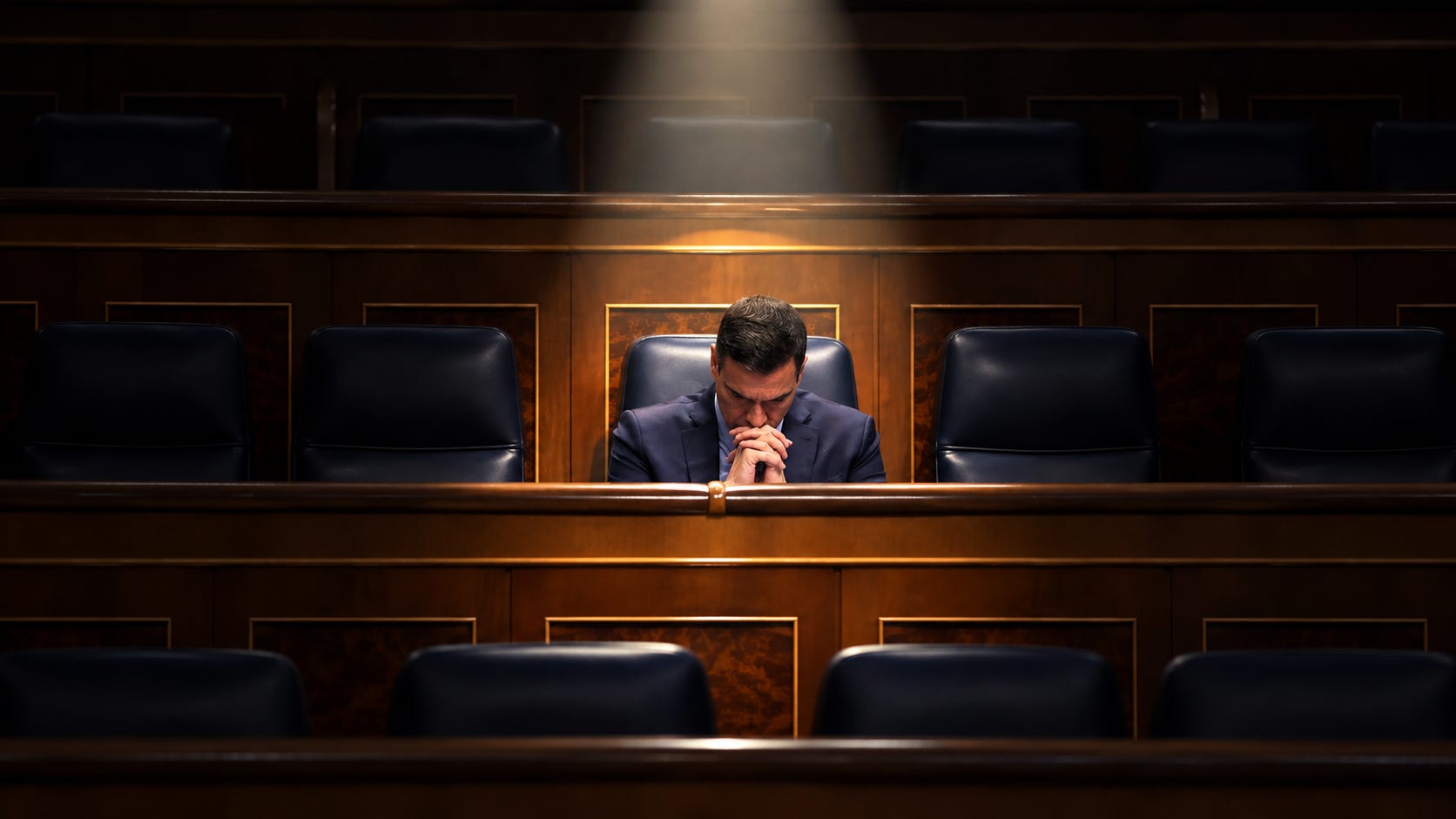
fucking impossible“difficult” it has become for PM Pedro Sánchez to govern a deeply fragmented Parliament, with politicians on virtually every side openly talking about elections.More “reflection". Sánchez is reportedly taking a few days (or hours, maybe) to decide what comes next, including whether to call a snap election that could send us back to the polls as soon as Nov. 29.
🫠 Why did the decrees collapse?
You can thank seven MPs from Junts. Once again, Carles Puigdemont’s Catalan separatist party found itself holding the deciding cards in Sánchez’s Parliament.
Junts dropped the bomb Thursday night, announcing that it would vote against both decrees.
The party demanded that the government withdraw the texts and start again. Earlier today, Junts even handed Housing Minister Isabel Rodríguez its own proposed decree, which it says should become the basis for new negotiations.
Their argument? Junts says the government’s plan could reduce the supply of rental properties and drive prices higher, while simultaneously failing to go far enough against large speculative funds or adequately protect ordinary families who own property.
Housing Minister Isabel Rodríguez made one final plea, telling Junts that the government had incorporated 90% of the party's proposals and asking its seven MPs to either vote yes or simply abstain.
They didn’t.
😡 Things got pretty ugly in Parliament
This did not feel like a normal legislative debate. With everyone suddenly wondering whether Spain might be heading toward an election, Friday’s debate sounded like the opening day of a campaign.
Sánchez himself unexpectedly took the floor toward the end, toward the end, making one final appeal for MPs to consider the consequences for ordinary people rather than party strategy. Housing Minister Rodríguez similarly framed the vote as a choice between citizens and speculative interests.
Then pretty much everyone went for everyone. Junts spokesperson Míriam Nogueras accused the government of misleading people. ERC’s Gabriel Rufián attacked Junts for siding with PP and Vox, dramatically placing a €50 bill and his house keys on the lectern.
The protesters are furious. As MPs debated inside Parliament, protesters who had been camping in Puerta del Sol marched the roughly 600 meters to Parliament, where a large police presence and barriers kept them away from the building.
Back in Sol, the mood had already turned angry Thursday night after Junts announced its decision. The camp had grown to more than 1,300 tents and an estimated 2,000 people, spilling from the square into Calle Arenal. Activists insisted that the movement was never simply about getting one decree passed and vowed to continue mobilizing.
The Tenants’ Union was especially furious with Junts, arguing that the party wasn’t putting the government “against the ropes” but rather millions of tenants. It has now begun discussing a general strike.
And here’s the politically interesting bit: public opinion on housing doesn’t neatly divide along left-right lines.
Agreement? A new 40dB poll conducted for El País and Cadena SER (grain of salt: both are owned by the generally pro-PSOE Grupo Prisa) found 67.5% of Spaniards support limiting housing prices even if doing so reduces landlords’ returns. That includes 82.6% of PSOE voters and 95.8% of Sumar voters, but also 56.5% of PP voters and 55.2% of Vox voters.
Which brings us to the much bigger question: Is Sánchez about to call an election? Maybe. But not today, apparently.
Sánchez spent all day reportedly listening to ministers and party figures with very different opinions about what he should do next.
The clock is ticking, though. If Sánchez wants to hold an election on Nov. 29, the earliest available Sunday, he would need to make the announcement by Monday or Tuesday.
Of course, Sánchez’s government has always been a Frankenstein nightmare. Housing didn’t create Sánchez’s parliamentary problem. It exposed just how bad it had become.
Sánchez has governed through one of history's strangest parliamentary coalitions since the 2023 election. PSOE and Sumar don’t have anything close to a majority on their own, meaning almost every important vote has required assembling support from ERC, EH Bildu, PNV, BNG and, critically, Junts.
That arrangement got Sánchez in office. But it never gave him a reliable governing majority.
The housing vote therefore presented Sánchez with a much bigger question than whether the two decrees would survive: If the government can’t pass major legislation even when responding to one of the country’s biggest problems and enormous protests in the streets, what exactly is this Parliament still capable of doing? (Spoiler alert: almost nothing).
We’ll cover all of this next week, but now at least you have the basics.
🔔 Don’t forget to follow us on Instagram!
If you’re not following us on Instagram yet, you’re missing out. We’re posting exclusive content with our collaborators across Spain, breaking news updates, and pop culture coverage. Click on the post above and come hang with us!
🙏 Once again, please remember to share this newsletter with your friends on social media. The more we grow, the more information we’ll be able to offer each week.